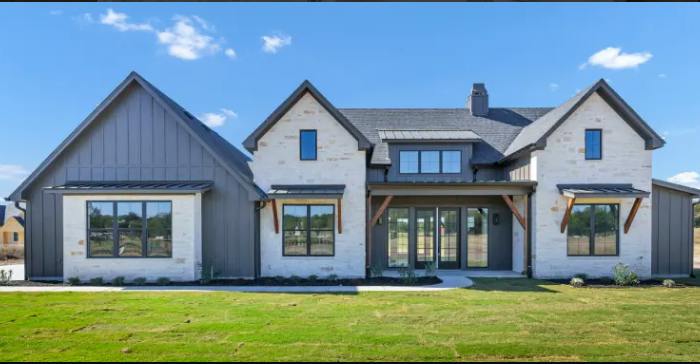

You like a room with visible detail. Someone sharing the home prefers simple surfaces and fewer decorative features. Discussing those differences with a Custom Home Builder in Granbury TX begins with understanding what each person enjoys. The goal is a home you can both recognize yourselves in, with a design direction that makes sense when the separate choices come together.
Style labels can make the disagreement seem larger than it is. Traditional and contemporary each describe a broad range of possibilities. A person who dislikes one example may appreciate another. Name the particular detail that appeals to you, such as a paneled door or a plain cabinet face, before defending an entire category.
The reason behind a preference can make it easier to understand. Someone may like decorative detail because it makes a room feel finished. Another may prefer simpler surroundings because they enjoy seeing fewer competing shapes. Neither explanation needs to become an argument about taste. Give each person room to say what the choice means to them.
Listen for the concern beneath a rejection as well. Too plain might mean a room feels impersonal; too busy might mean that nothing holds the eye. Those concerns suggest different questions from simply asking which style should win. Discuss the specific impression each person wants to avoid and what would make an alternative feel more comfortable.
Consider complete combinations rather than taking turns choosing unrelated features. A detailed door beside a plain wall may receive a different response from the same door surrounded by other decoration. Review the proposed pieces together. Each person should be able to describe the effect of the combination, even if their favorite individual item is not included.
It helps to separate intensity from the underlying preference. A person may enjoy a particular color but want it in a smaller area. Another may welcome visible wood detail if the surrounding forms are simpler. Changing how much of something appears can create an option neither person considered while defending the original choice.
Consistency also deserves a specific discussion. Which parts of the home do you want to feel connected as you move between them? You might prefer a common door style across adjoining rooms while allowing different wall treatments. Identify the connection you value instead of assuming that every finish must match or that every room must differ.
Personal choice can remain visible within that shared direction. A small room used mainly by one household member may have a stronger individual character. In a space used equally, the combination may need more discussion. Talk about the actual experience of those rooms, including which details each person will notice repeatedly during an ordinary day.
Avoid agreeing to an option simply to end an uncomfortable conversation. It is reasonable to pause when you cannot yet explain your hesitation. Return with a concrete observation about shape, color, texture, or visual emphasis. That gives the design team something to work with and gives your partner a clearer understanding of the concern.
A promising compromise deserves the same attention as either original preference. Look at it again with the other planned elements present. Ask yourselves whether you like the result or are merely accepting it because both gave something up. A shared choice should have qualities you can describe positively, beyond being the middle option.
Leave room for a changed opinion. Seeing a combination clearly may make a previously disliked feature feel appropriate. That does not make the earlier discussion wasted. It means the household has learned what the preference depended on, which can make the next design conversation more specific and less personal.
Conclusion
Different tastes can become a useful part of designing your Granbury home. Understanding the reasons behind them, considering complete combinations, and choosing where consistency matters can help you find a direction that respects everyone who will live there.
Call to Action
Describe one design difference at your next building discussion. Explain what each person likes and dislikes, then review a few complete combinations together.
Visit: